Attractions to Visit

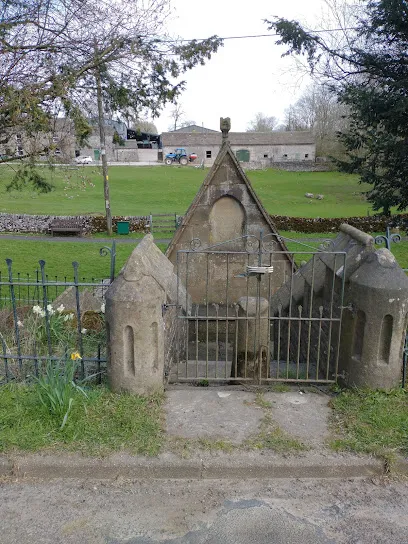
Logan Iron Age Fort
Culture and Heritage, Sites and Castles, Walks and Activities
A walk back in time, describing the lives of the people who have lived in the Logan Valley for centuries. The Iron Age Fort, later dwellings and other archaeological features of interest are explained as you walk through the hills. It is fascinating to stand where Tweedsmuir residents lived centuries ago, and see the mark they made on the landscape. This walk takes you across rough grassland, open heather hills and includes several steep climbs and descents. There are no clearly defined paths, as the walk takes you along sheep tracks, old drove roads and rough terrain at the furthest end of the walk. Some parts are boggy, and you will walk though areas of heather. The walk up Worm Hill is steep and challenging. There are 4 pedestrian gates on the route. You can choose to split the walk at the bridge over the Logan Burn, making a much easier route.
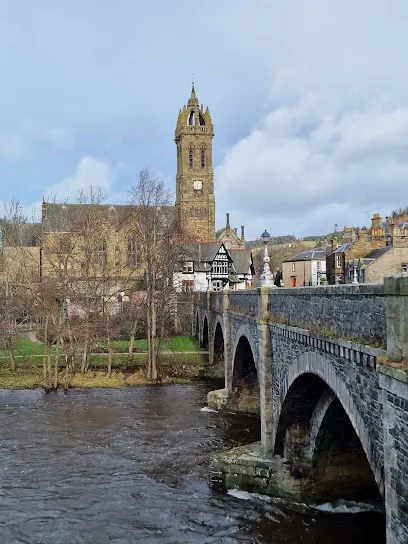
Patervan Path
Culture and Heritage, Galleries and Museums
This is a beautiful walk within sight of the River Tweed, and then along one its tributaries, Polmood Burn. You should be able to glimpse plenty of wildlife, including red squirrels, buzzards, hares and maybe even a golden eagle. At the end of the walk the landscape opens up to give spectacular views of some of the highest hills in the Borders, including Broad Law. This walk takes you along well-maintained, coarse gravel farm tracks. The route is way marked by yellow arrows on small green circular signs. You follow a well-made track up the valley and then through the grassland in Polmood Valley. There are options to extend this walk, and you should consult an OS map to plan your walk if you wish. There is a cattle grid with a pedestrian gate, and several gates to go through, which should all be left as you find them.
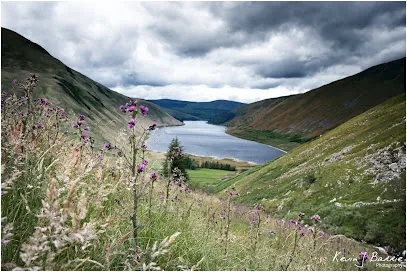
Top of Talla Linns
Culture and Heritage, Rivers and Lakes, Walks and Activities
Start/Parking: There is a car parking area near the start of this walk just after you cross the small bridge (if coming from Tweedsmuir), round the corner on the left-hand side of the road. The first part of the walk is on a reasonable track, although some areas are muddy and there are loose stones along the way. After the green shed, the path becomes a bit less defined and boggy. Towards the end of the track you will have to cross a burn, and there is no bridge, and avoid the wetter areas of the path. This final section requires stout footwear and a good level of fitness. Talla Linns is the name of the waterfall that cascades impressively down the hillside. The road here is also known as ‘The Linns’ locally, and is a steep single-track section that often takes visitors to the area unawares. It is untreated through the winter months, making access impossible during the snowy and frosty periods. A very impressive Victorian drainage gully runs down the side of the road. This was cleared and restored by a local volunteer in 2010, and has resulted in much safer driving conditions.
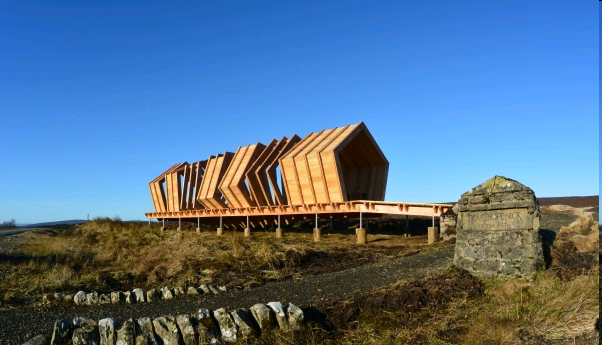
Kielder Art & Architecture
Culture and Heritage, Rivers and Lakes, Art & Architecture, Nature and Wildlife, Galleries and Museums, Walks and Activities, History & Heritage, Cycling, Accessible Activities
The landscape around Kielder has become the home to a unique collection of visual art and architecture structures. These have been created by artists who have been inspired by the scale and complexity of Kielder’s varied, fascinating history and its unique environment. Many people visit Kielder for this open-air art experience but for some, they are a surprising curiosity discovered on a walk or bike ride and provide point of interest, a place to rest, contemplate, take in the landscape and environment, and take a picture. The artworks are located around the lake on or near the Lakeside Way, within the forest, on the surrounding fells, and in the neighbouring Northumberland National Park with most pieces being fully accessible to visitors. The varied works include ‘Bakethin Hide’, a wildlife watching space (delivered in collaboration with Newcastle University’s School of Architecture as part the Testing Ground programme), the award-winning futuristic shelter ‘Kielder Belvedere’ (by Softroom Architects); ‘Kielder Skyspace’ light sculpture (by James Turrell), “Silvas Capitalis” (by SIMPARCH) giant head structure that watches and listens to the nuances of forest life and “Minotaur”, a contemporary maze (by Nick Coombe & Shona Kitchen) sited within the grounds of Kielder Castle. Please follow the Art & Architecture link in VisitKielder.com for full details about each artwork including where they are, how to get to them and the story behind their creation.
Kielder Observatory
Culture and Heritage, Art & Architecture, Nature and Wildlife, Sites and Castles, Galleries and Museums, Walks and Activities, Hills and Mountains, Cycling, Accessible Activities
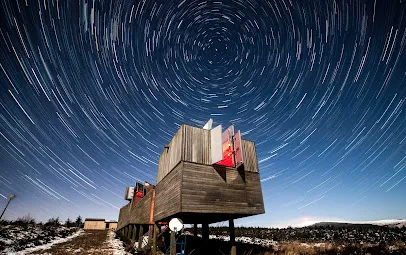
Nestled in the Kielder Water and Forest Park in Northumberland, Kielder Observatory is a spectacular experience for all the family. At nearly 580 square miles, our dark sky zone, known as Northumberland and Kielder Water & Forest International Dark Sky Park, is the second largest area of protected night sky in Europe. Here the stargazing can be breath-taking: the ‘Kielder moment’ is very special, the moment that visitors look up at the glittering skies and realise that they’re completely connected to this vast cosmos, yet utterly unique within it. Like the deck of a ship sailing above the landscape, the Observatory provides astronomers with a permanent facility in the heart of Northumberland. It is part of the art and architecture programme that has turned Kielder Water and Forest Park into an open-air gallery over the last 10 years. The observatory hosts events to suit everyone: there are family events to entertain young explorers; relaxed events for people with different abilities; introductory events; legends behind the constellations events; and events focusing on phenomena such as the aurora, our moon, dark matter, and exoplanets. Access to the Observatory is for ticket-holders only: booking is essential and can be done via the website. The access track is 2 miles long, uncased and single lane so is only opened for events one hour before to ensure traffic up and down the track is managed properly. Visitors can walk up to the Observatory during the day and enjoy the spectacular views but there are no facilities available during the day. Close to the Observatory is James Turrell\'s Kielder Skyspace, a circular sculpture which is illuminated by a combination of natural and artificial light. Skyspace can be accessed via the track to the Observatory. During dusk, the LED lighting system is triggered and as the exterior light changes - the effect is a rich and unforgettable display of tone and colour. Kielder Observatory — a beacon for dark skies. Come and find your infinite inspiration. For more information about Northumberland International Dark Sky Park see our Dark Skies page. Come here to: Learn about the night sky and use the powerful telescopes. Meet experienced astronomers and learn how to take stunning photographs of distant objects in the Universe. Experience meteor showers (shooting stars) and other celestial events. Kielder Observatory is also part of the art and architecture programme. Find out more about its striking design here https://kielderobservatory.org/
Jetty Museum
Galleries and Museums
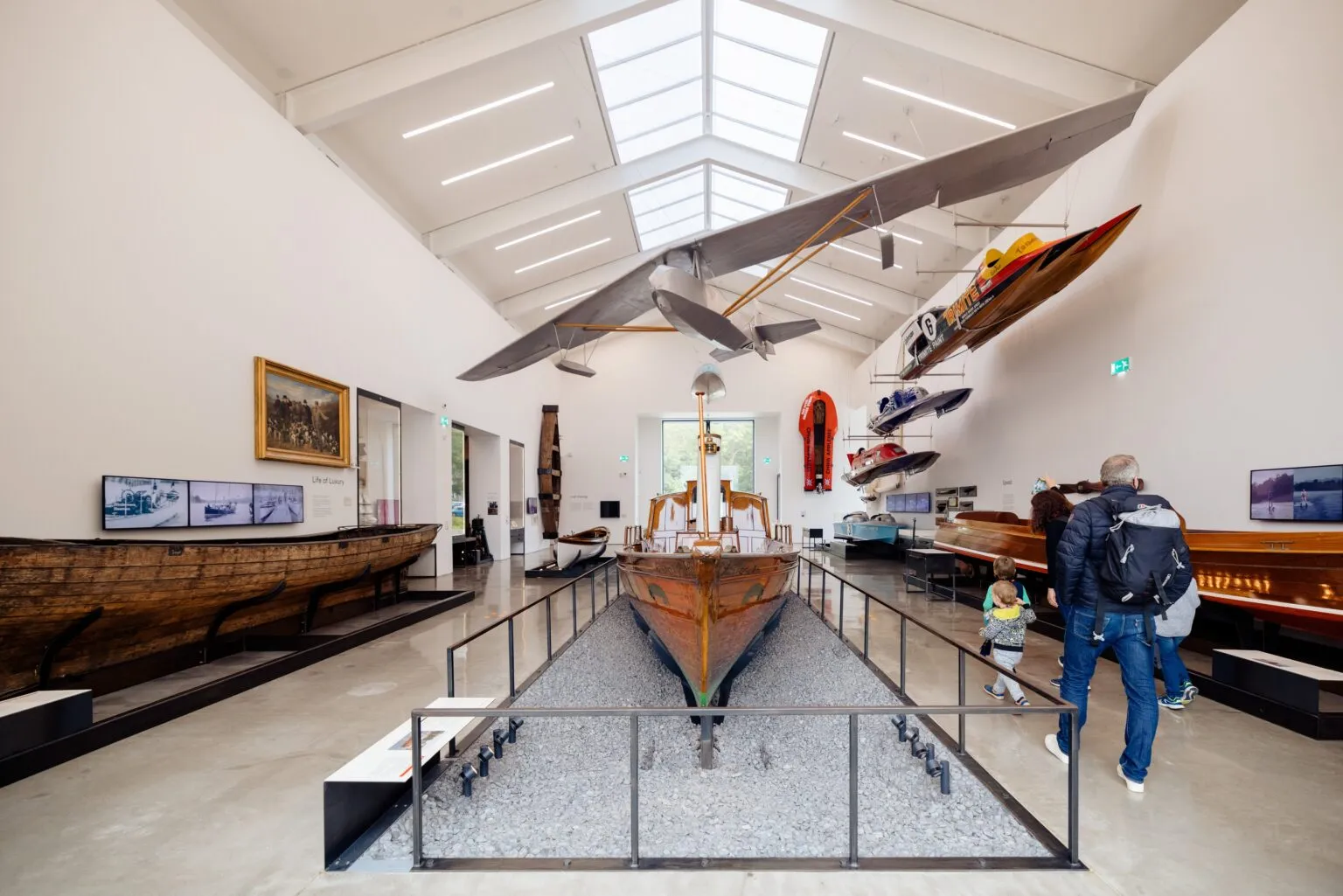
Windermere Jetty has a stunning collection of steamboats that hold history to the Lake District World Heritage Site. There are 40 vessels which tell the story of boating on Lake Windermere from 1780. Everything at Windermere Jetty links back to the lake. If you have done the museum, don’t forget what is most important, food. Make sure you visit their brand new lakeside café which offers spectacular views (whatever the weather). The working steamers and the conservation workshop supply the smells, sounds and sights of life on the lake, and their exhibitions tell the many stories of south Lakeland’s boats, builders, owners and users. Finally, don’t forget to take a trip out on the lake with their Heritage Boat Trip to finish off your trip!